
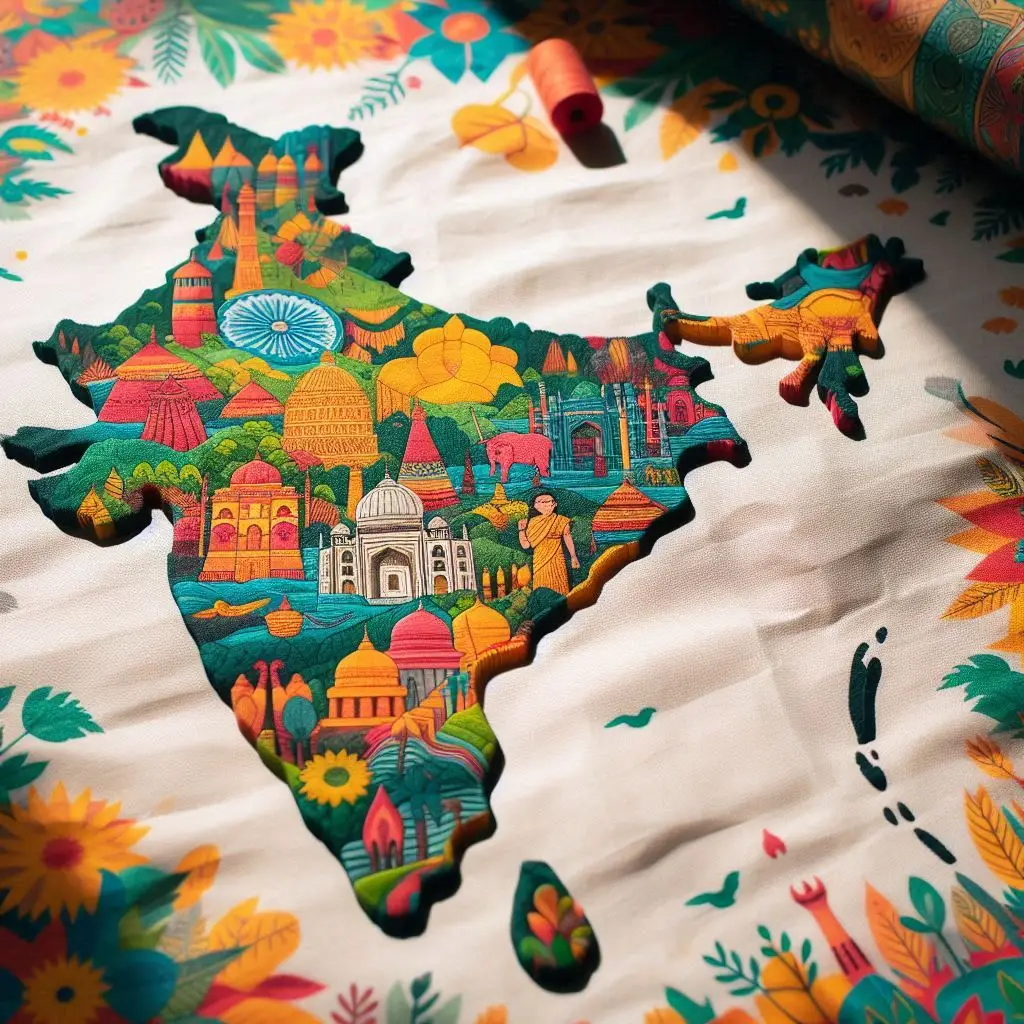
As we move further into the 21st century, the fashion industry is undergoing a transformative shift toward sustainability. With growing awareness of environmental issues and the urgent need to reduce waste, recyclable fabrics have emerged as a game-changer in the world of textiles. By 2025, recyclable fabrics are poised to revolutionize the way we produce, consume, and dispose of clothing. In this blog, we’ll explore the rise of recyclable fabrics, their benefits, and what the future holds for sustainable fashion.
What Are Recyclable Fabrics?
Recyclable fabrics are materials designed to be broken down and reused at the end of their lifecycle. Unlike traditional textiles, which often end up in landfills, recyclable fabrics can be reprocessed into new fibers, reducing waste and conserving resources. These fabrics are made from a variety of sources, including recycled plastics, organic materials, and innovative bio-based polymers.
Some popular examples of recyclable fabrics include:
- Recycled Polyester: Made from post-consumer plastic bottles, this fabric is durable and widely used in activewear and outerwear.
- Tencel (Lyocell): A biodegradable fabric made from sustainably sourced wood pulp, often used in soft, breathable clothing.
- Econyl: A regenerated nylon fabric created from recycled fishing nets and other nylon waste, commonly used in swimwear and accessories.
- Circular Cotton: Cotton that has been recycled from old garments, reducing the need for virgin cotton production.
Why Recyclable Fabrics Matter in 2025
The fashion industry is one of the largest polluters in the world, contributing to massive amounts of waste, water pollution, and carbon emissions. By 2025, recyclable fabrics are expected to play a critical role in addressing these challenges. Here’s why:
- Reducing Textile Waste
Every year, millions of tons of clothing end up in landfills. Recyclable fabrics offer a solution by enabling old garments to be transformed into new ones, creating a closed-loop system that minimizes waste. - Conserving Resources
Traditional fabric production requires significant amounts of water, energy, and raw materials. Recyclable fabrics reduce the demand for virgin resources, helping to conserve water and lower carbon emissions. - Meeting Consumer Demand
As consumers become more eco-conscious, they are demanding sustainable alternatives to fast fashion. Brands that adopt recyclable fabrics are likely to gain a competitive edge in the market. - Regulatory Pressure
Governments and organizations worldwide are implementing stricter regulations on waste and emissions. Recyclable fabrics help brands comply with these regulations while demonstrating their commitment to sustainability.
Innovations in Recyclable Fabrics by 2025
The next few years will see exciting advancements in recyclable fabric technology. Here are some trends to watch out for:
- Bio-Fabricated Materials
Scientists are developing fabrics made from bio-engineered materials, such as lab-grown leather and algae-based fibers. These materials are not only recyclable but also biodegradable, offering a truly sustainable alternative to traditional textiles. - Digital Recycling
Advances in digital technology are enabling more efficient recycling processes. For example, AI-powered sorting systems can identify and separate different types of fabrics, making it easier to recycle blended materials. - Chemical Recycling
Chemical recycling breaks down fabrics at the molecular level, allowing them to be reconstituted into new fibers without losing quality. This technology is particularly promising for synthetic fabrics like polyester and nylon. - Circular Fashion Platforms
Brands are increasingly adopting circular business models, where customers can return old garments to be recycled into new products. These platforms are expected to become mainstream by 2025, making it easier for consumers to participate in sustainable fashion.
Challenges and Opportunities
While recyclable fabrics offer immense potential, there are still challenges to overcome. For instance, the infrastructure for large-scale textile recycling is still underdeveloped, and the cost of producing recyclable fabrics can be higher than traditional materials. However, as technology advances and demand grows, these barriers are likely to diminish.
Brands that invest in recyclable fabrics now will be well-positioned to lead the sustainable fashion movement. Collaboration between designers, manufacturers, and consumers will be key to driving innovation and creating a more circular economy.
How You Can Support the Recyclable Fabric Movement
As consumers, we have the power to drive change by making conscious choices. Here are a few ways you can support the recyclable fabric movement:
- Choose Sustainable Brands: Look for brands that use recyclable fabrics and prioritize sustainability.
- Recycle Your Clothes: Donate or recycle old garments instead of throwing them away.
- Educate Yourself: Stay informed about sustainable fashion trends and innovations.
- Advocate for Change: Encourage policymakers and brands to adopt more sustainable practices.
Conclusion
By 2025, recyclable fabrics will be at the forefront of the fashion industry’s transition to sustainability. These innovative materials offer a promising solution to the environmental challenges posed by traditional textiles, paving the way for a more circular and responsible fashion ecosystem. As consumers, brands, and innovators come together, the future of fashion looks brighter—and greener—than ever before.
Let’s embrace recyclable fabrics and make 2025 the year of sustainable style!
What are your thoughts on recyclable fabrics? Share your opinions and ideas in the comments below!
write it futuristic like whats the future which companies are opting this what the india’s view on this how india is dealing with it
The Futuristic Vision of Recyclable Fabrics: A 2025 Perspective
The year is 2025, and the world of fashion has undergone a radical transformation. Recyclable fabrics are no longer a niche concept but a mainstream reality, reshaping the way we produce, wear, and dispose of clothing. From global fashion giants to innovative startups, the industry is embracing sustainability like never before. In this blog, we’ll dive into the futuristic landscape of recyclable fabrics, explore which companies are leading the charge, and examine India’s unique role in this sustainable revolution.
The Future of Recyclable Fabrics in 2025
Imagine a world where your old t-shirt doesn’t end up in a landfill but is instead transformed into a brand-new dress. This is the reality of 2025, where recyclable fabrics have become the cornerstone of a circular fashion economy. Here’s what the future looks like:
- Smart Fabrics with Recyclable DNA
Fabrics in 2025 are not just recyclable—they’re smart. Embedded with RFID tags and QR codes, these textiles can be easily tracked and sorted for recycling. Imagine scanning your old jeans with your smartphone and instantly knowing where to send them for recycling. - 3D-Printed Clothing
3D printing technology has advanced to the point where clothing can be printed on demand using recyclable materials. This eliminates overproduction and waste, allowing consumers to customize their garments while staying sustainable. - Self-Healing and Self-Cleaning Fabrics
Innovations in nanotechnology have led to fabrics that repair small tears and clean themselves, extending their lifespan and reducing the need for frequent replacements. - Global Recycling Hubs
Major cities now have dedicated textile recycling hubs where old clothes are collected, sorted, and processed into new fibers. These hubs are powered by AI and robotics, making the recycling process faster and more efficient.
Companies Leading the Charge
By 2025, several companies have emerged as pioneers in the recyclable fabric space. Here are a few standout names:
- Patagonia
A long-time leader in sustainable fashion, Patagonia has fully transitioned to using recycled and recyclable materials in its products. Their “Worn Wear” program encourages customers to return old garments for recycling. - Adidas x Parley
Adidas has partnered with Parley for the Oceans to create sneakers and sportswear from recycled ocean plastic. By 2025, they’ve expanded this initiative to include fully recyclable product lines. - Stella McCartney
Known for her commitment to sustainability, Stella McCartney has embraced bio-fabricated materials and recyclable fabrics, setting a new standard for luxury fashion. - Unifi
This textile company produces Repreve, a recycled polyester fiber made from plastic bottles. By 2025, Repreve is being used by hundreds of brands worldwide. - Indian Innovators: FabIndia and Reliance Industries
In India, FabIndia has introduced a line of clothing made from recycled cotton and natural dyes. Reliance Industries, on the other hand, is investing heavily in chemical recycling technologies to transform plastic waste into high-quality fabrics.
India’s View on Recyclable Fabrics
India, with its rich textile heritage and growing population, has a unique perspective on recyclable fabrics. By 2025, the country is making significant strides in sustainable fashion, driven by both necessity and innovation.
- Government Initiatives
The Indian government has launched initiatives like the “Sustainable Fashion Mission” to promote the use of recyclable fabrics and reduce textile waste. Policies incentivize brands to adopt circular practices and invest in recycling infrastructure. - Cultural Shift Toward Sustainability
Indian consumers are increasingly aware of the environmental impact of fast fashion. Traditional practices like repairing and reusing clothing are being revived, aligning perfectly with the principles of recyclable fabrics. - Startups and Innovators
Indian startups are at the forefront of the recyclable fabric movement. Companies like Banyan Nation and Greenwear are creating innovative solutions to recycle plastic waste into textiles. Meanwhile, Phool.co, known for its floral recycling initiatives, is exploring ways to turn temple waste into biodegradable fabrics. - Textile Hubs Going Green
Cities like Tiruppur and Surat, known as India’s textile hubs, are adopting sustainable practices. By 2025, many factories in these regions have shifted to using recycled fibers and eco-friendly dyes, setting an example for the global industry.
How India is Dealing with Textile Waste
India generates over 1.5 million tons of textile waste annually, making it one of the largest contributors to global textile waste. However, by 2025, the country is tackling this issue head-on with innovative solutions:
- Large-Scale Recycling Plants
India has established state-of-the-art textile recycling plants that use advanced technologies to process waste into new fibers. These plants are supported by both government and private sector investments. - Community-Driven Initiatives
Local communities are playing a key role in collecting and sorting textile waste. Programs like “Cloth for Cloth” encourage people to exchange old garments for discounts on new ones, creating a culture of recycling. - Upcycling and Handloom Revival
Indian designers are blending traditional handloom techniques with modern recyclable fabrics to create unique, sustainable collections. Upcycling—turning waste materials into high-value products—has become a popular trend. - Collaborations with Global Brands
Indian manufacturers are partnering with international brands to produce recyclable fabrics at scale. These collaborations are helping India position itself as a global leader in sustainable textiles.
The Road Ahead
By 2025, recyclable fabrics have become a symbol of hope for a more sustainable future. While challenges remain, the progress made by companies, governments, and consumers is undeniable. India, with its blend of tradition and innovation, is playing a pivotal role in this transformation.
As we look to the future, one thing is clear: recyclable fabrics are not just a trend—they’re a necessity. Together, we can create a world where fashion is not only beautiful but also kind to the planet.
What are your thoughts on India’s role in the recyclable fabric movement? How do you see the future of sustainable fashion evolving? Share your ideas in the comments below!