
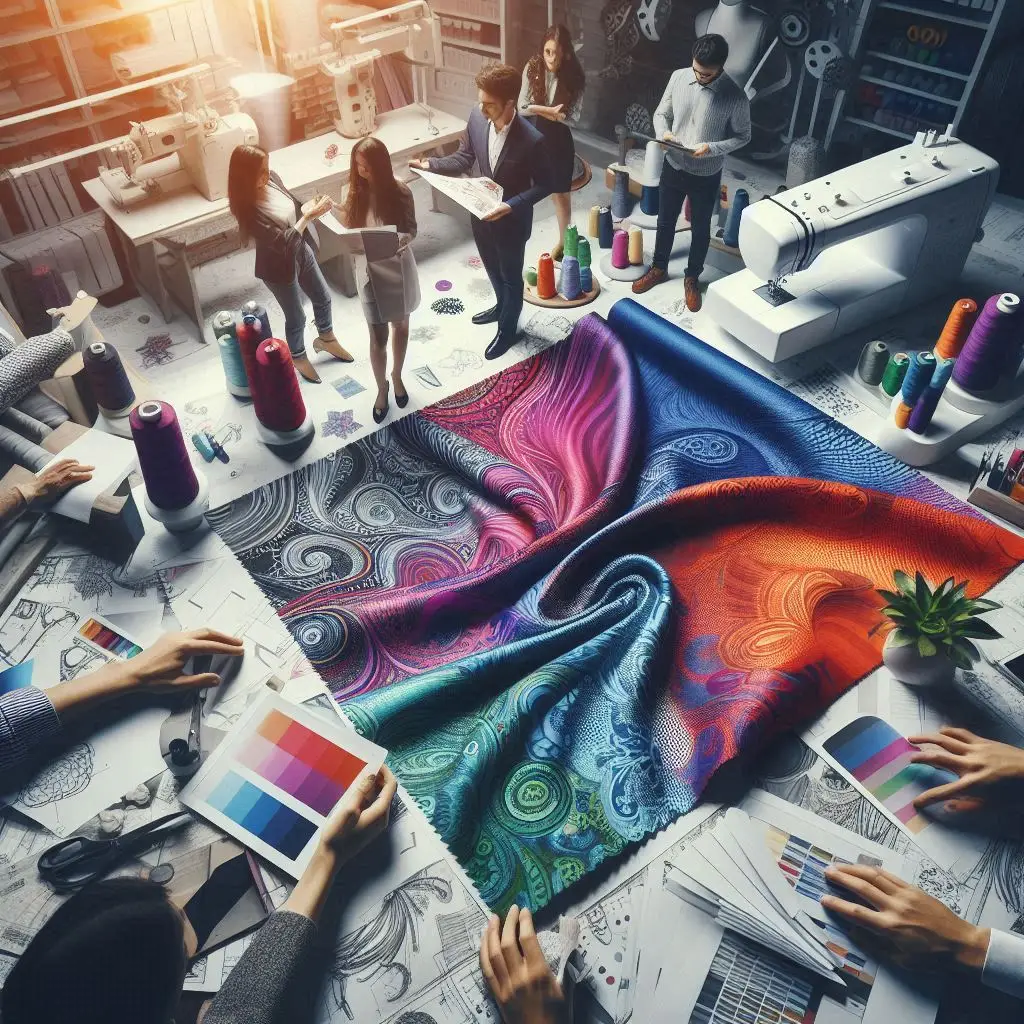
The textile industry is undergoing a seismic shift, driven by groundbreaking innovations that are redefining how we create, wear, and think about fabrics. From smart textiles to sustainable materials, the world of fashion is embracing cutting-edge technologies to meet the demands of a rapidly changing world. In this blog, we’ll explore the latest innovations in textiles, supported by recent news and developments, and how they are shaping the future of fashion globally.
1. Smart Textiles: Where Fashion Meets Technology
Smart textiles are no longer a futuristic concept—they’re here, and they’re transforming the way we interact with our clothing. These fabrics are embedded with sensors, microchips, and other technologies to provide functionalities beyond traditional textiles.
Latest Innovations:
- Wearable Health Tech: Companies like Hexoskin and Ralph Lauren have developed smart shirts that monitor heart rate, breathing, and activity levels. These garments are revolutionizing fitness and healthcare by providing real-time data to users.
- Self-Healing Fabrics: Researchers at the University of Tokyo have created a fabric that can repair itself when exposed to heat. This innovation could significantly extend the lifespan of clothing, reducing waste.
- Color-Changing Textiles: Brands like Google’s Project Jacquard are experimenting with fabrics that change color based on environmental factors or user input, adding a dynamic element to fashion.
Why It Matters:
Smart textiles are bridging the gap between fashion and technology, offering practical solutions for health, safety, and convenience. By 2025, the global smart textiles market is projected to reach $5.55 billion, according to a report by Grand View Research.
2. Sustainable Textiles: The Rise of Eco-Friendly Fabrics
As the fashion industry faces increasing scrutiny for its environmental impact, sustainable textiles are taking center stage. Innovations in this space are focused on reducing waste, conserving resources, and creating biodegradable materials.
Latest Innovations:
- Recycled Fabrics: Brands like Patagonia and Adidas are leading the way with fabrics made from recycled plastic bottles and ocean waste. Adidas’ partnership with Parley for the Oceans has already resulted in over 30 million pairs of shoes made from recycled marine plastic.
- Bio-Fabricated Materials: Companies like Bolt Threads and MycoWorks are creating leather-like materials from mushrooms and other bio-based sources. These materials are not only sustainable but also cruelty-free.
- Algae-Based Fibers: Startups like Algaeing are producing textiles from algae, offering a renewable and biodegradable alternative to traditional fabrics.
Why It Matters:
The fashion industry is responsible for 10% of global carbon emissions and 20% of wastewater, according to the United Nations Environment Programme. Sustainable textiles are crucial for reducing this impact and creating a circular fashion economy.
3. 3D-Printed Textiles: The Future of Customization
3D printing is revolutionizing the textile industry by enabling on-demand production and unparalleled customization. This technology allows designers to create intricate patterns and structures that were previously impossible with traditional methods.
Latest Innovations:
- 3D-Knitted Clothing: Companies like Ministry of Supply are using 3D knitting machines to produce seamless garments that are tailored to individual body shapes. This reduces fabric waste and ensures a perfect fit.
- 3D-Printed Accessories: Brands like Iris van Herpen are using 3D printing to create avant-garde fashion pieces, pushing the boundaries of design and creativity.
Why It Matters:
3D printing reduces overproduction and waste by enabling made-to-order manufacturing. It also empowers consumers to personalize their clothing, making fashion more inclusive and sustainable.
4. Nanotechnology: The Science of Smarter Fabrics
Nanotechnology is being used to enhance the functionality of textiles, making them more durable, water-resistant, and even self-cleaning.
Latest Innovations:
- Self-Cleaning Fabrics: Researchers at RMIT University in Australia have developed a fabric that can clean itself when exposed to sunlight. This innovation could reduce the need for frequent washing, saving water and energy.
- Antibacterial Textiles: Companies like Nano-Tex are creating fabrics with antibacterial properties, which are particularly useful for healthcare and sportswear.
Why It Matters:
Nanotechnology is making textiles more efficient and long-lasting, reducing the environmental impact of clothing care and maintenance.
5. India’s Role in Textile Innovation
India, with its rich textile heritage and growing technological prowess, is playing a significant role in the global textile innovation landscape.
Latest Developments:
- Sustainable Initiatives: Indian brands like FabIndia and Anokhi are incorporating organic and recycled fabrics into their collections. The Indian government’s “Make in India” initiative is also promoting sustainable manufacturing practices.
- Startups Leading the Way: Startups like Banyan Nation and Phool.co are turning plastic waste and floral offerings into high-quality textiles, showcasing India’s potential as a hub for sustainable innovation.
- Traditional Meets Modern: Indian designers are blending traditional handloom techniques with modern technologies to create unique, sustainable collections. For example, Sabyasachi Mukherjee has introduced eco-friendly fabrics in his luxury line.
Why It Matters:
India’s textile industry is one of the largest in the world, and its embrace of innovation is setting an example for other countries. By combining tradition with technology, India is creating a sustainable and culturally rich fashion ecosystem.
The Global Impact of Textile Innovation
The innovations in textiles are not just transforming the fashion industry—they’re addressing some of the world’s most pressing challenges, from environmental degradation to resource scarcity. Here’s how:
- Reducing Waste: Innovations like recyclable fabrics and 3D printing are minimizing textile waste and promoting a circular economy.
- Conserving Resources: Sustainable textiles are reducing the demand for water, energy, and raw materials, helping to conserve natural resources.
- Empowering Consumers: Smart textiles and customization technologies are giving consumers more control over their clothing, making fashion more personal and inclusive.
Conclusion
The future of textiles is bright, with innovations that are reshaping the fashion industry and beyond. From smart fabrics to sustainable materials, these advancements are not only enhancing the functionality and aesthetics of clothing but also addressing critical global issues.
As we move forward, collaboration between designers, manufacturers, and consumers will be key to driving these innovations and creating a more sustainable and inclusive fashion ecosystem. The world of textiles is no longer just about what we wear—it’s about how we can wear it better, smarter, and more responsibly.
What are your thoughts on the latest innovations in textiles? How do you see these advancements impacting the future of fashion? Share your ideas in the comments below!
References:
- Grand View Research. (2023). Smart Textiles Market Size, Share & Trends Analysis Report.
- United Nations Environment Programme. (2021). Sustainability and Circularity in the Textile Value Chain.
- Adidas x Parley for the Oceans. (2023). Annual Sustainability Report.
- RMIT University. (2023). Self-Cleaning Fabric Research.
- Indian Government. (2023). Make in India Initiative.